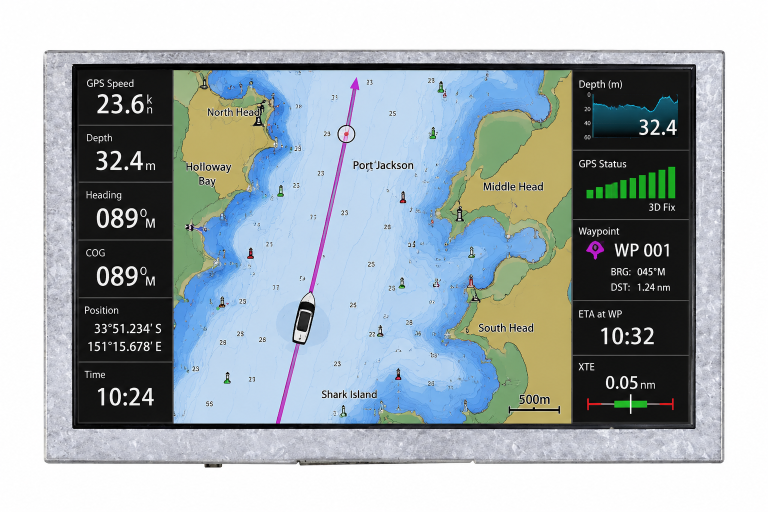
For engineers and product designers, choosing the right sunlight-readable TFT display isn’t just about brightness—it’s about durability, efficiency, and long-term reliability in the field. In this post, we’ll break down why outdoor TFT displays are essential and what factors truly matter when selecting the right one for your application.
Why High-Brightness TFT Screens Matter
Standard displays struggle in outdoor and high-ambient-light environments because they can’t produce enough luminance to outshine the surrounding brightness. A typical indoor display has a brightness level of around 200-300 cd/m2, but for outdoor use, a display should be at least 800 cd/m2—with premium models exceeding 1500 cd/m2 for maximum clarity.
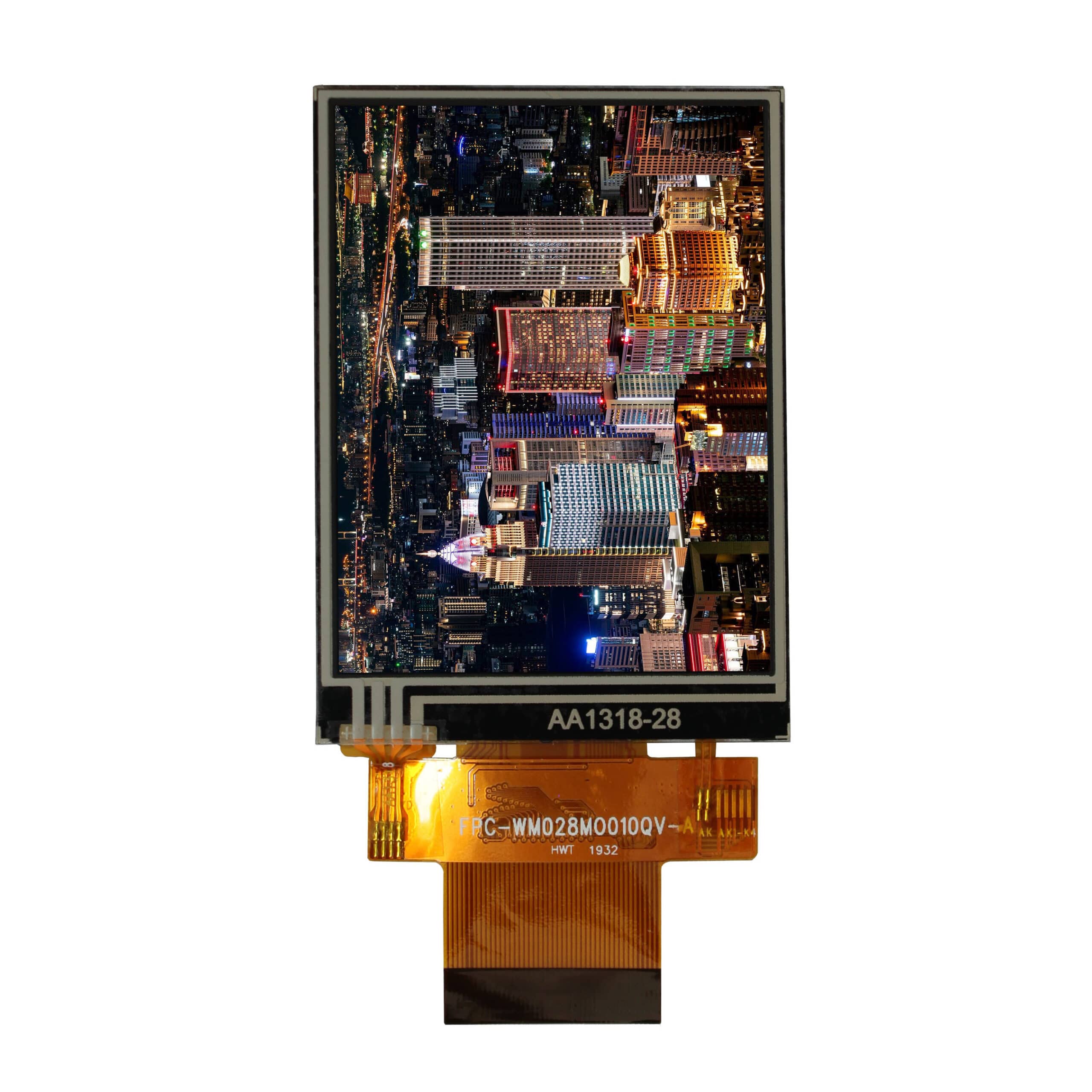
200 cd/m2
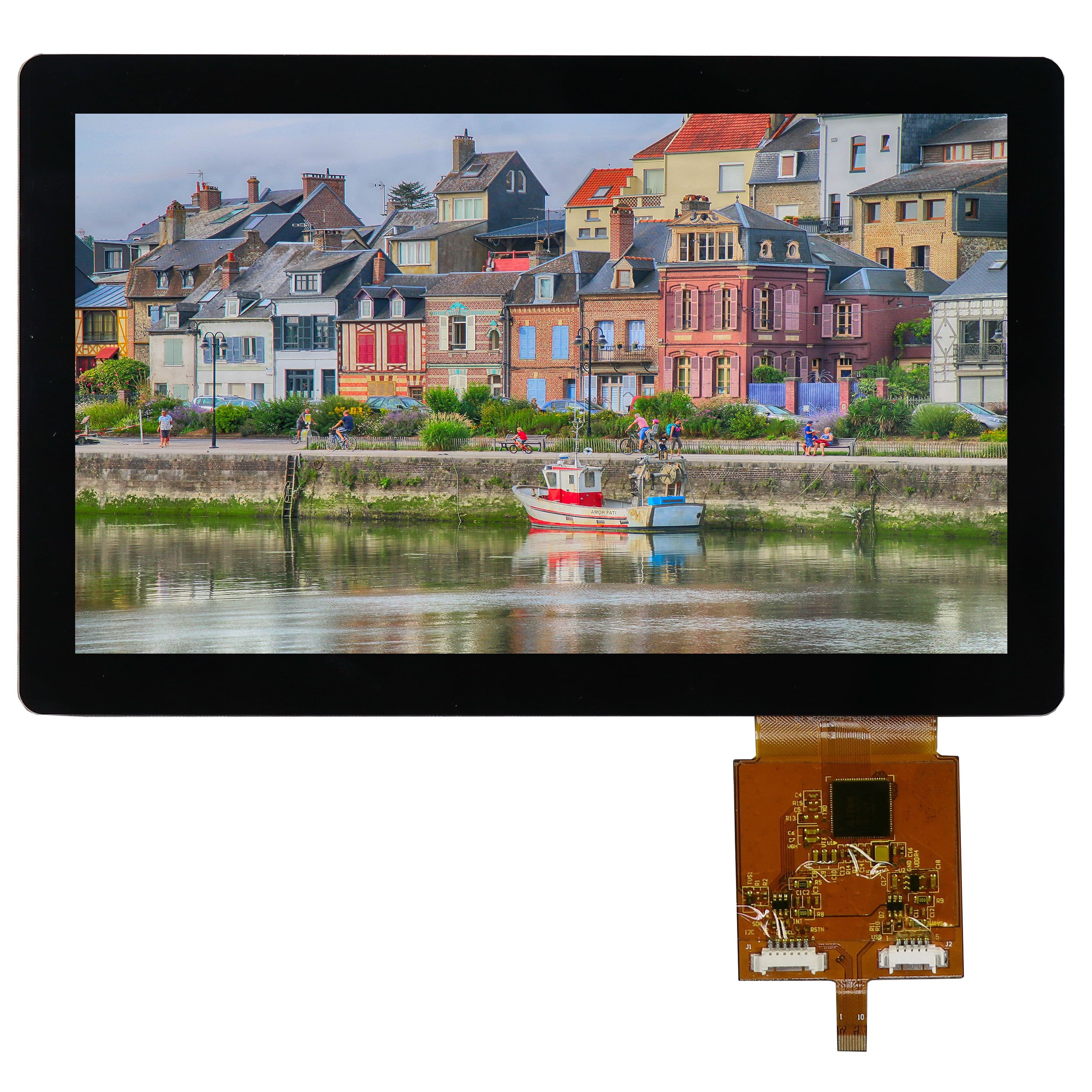
1500 cd/m2
A high-brightness TFT screen ensures that critical information remains visible, whether in direct sunlight, fog, or rain. Industries like transportation, marine, military, industrial automation, and digital signage all rely on these rugged displays to function effectively in real-world applications.
Key Features of a Sunlight-Readable TFT Display
When evaluating an outdoor TFT display, here are the most important features to consider:
1. High Brightness (800+ cd/m2)
Brightness is measured in nits (cd/m²), and the higher the value, the better visibility in bright conditions. Many industrial-grade high-brightness TFT screens reach 1500-2500 cd/m², making them readable even in direct sunlight.
2. Optical Bonding, Anti-Reflective & Anti-Glare Coatings
While brightness helps, reflections can still be a problem. Optical bonding and anti-reflective coatings minimise glare and enhance contrast, further improving screen readability. Relec Electronics offer custom optical bonding solutions and specialised coatings to ensure maximum visibility, even in the brightest conditions. If you are in need of reduced reflections for outdoor kiosks or enhanced durability for industrial environments, we can tailor the display to your specific application.
3. Wide Temperature Tolerance
Outdoor displays often face extreme temperatures. A reliable outdoor TFT display should have an operational range between -30°C to 85°C, ensuring performance in both freezing cold and scorching heat.
4. IP-Rated Waterproof & Dustproof Protection
Many applications require displays to withstand moisture, dust, and debris. IP65 or higher-rated displays provide rugged protection against the elements.
5. Wide Viewing Angles
Many industrial displays use IPS (In-Plane Switching) technology, which provides 178° viewing angles and maintains colour accuracy, crucial for outdoor signage and kiosks.
Industry Applications of High-Brightness TFT Displays
Need to fill with conent
eleifend id lacus sed, gravida placerat risus. Sed et tellus ligula. Mauris varius hendrerit dolor vitae varius.
Choosing the Right High-Brightness TFT Screen
Touchscreen Responsiveness in Harsh Conditions
Prolonged exposure to UV light can degrade displays over time. Using UV-resistant materials and rugged TFT panels extends screen life and prevents discoloration.

Power Efficiency Concerns
Higher brightness often means higher power consumption. However, modern LED backlighting and power-efficient TFT displays can balance visibility with energy savings.

Screen Durability & Longevity
Capacitive touchscreens can be unresponsive with gloves or wet hands. Projected capacitive (PCAP) touch with glove and water resistance solves this issue for outdoor and industrial applications.
Choosing the Right High-Brightness TFT Screen
If your display needs to perform under the sun or in challenging environments, investing in a sunlight-readable TFT display is essential. Consider factors like brightness, anti-glare treatments, temperature tolerance, and rugged design to ensure optimal performance.
JOIN OUR Discord COMMUNITY
Hey, you’ve made it this far – why not join our Discord community of engineers, technicians and enthusiasts. This is a space where we can all chat about projects, general chit-chat or even reveal some design disclosures.